How to Involve Teachers in Graduation Planning
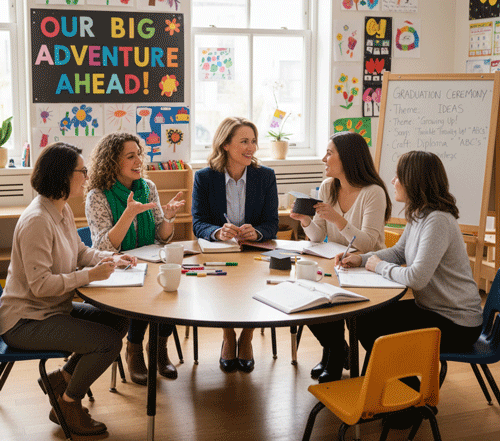
The best graduation ceremonies do not happen by accident. They are carefully built by the people who know the students best: the teachers. Educators play a key role in shaping a meaningful, authentic, and memorable experience for young learners. When children are graduating kindergarten or finishing preschool, they look to their teachers for comfort and guidance during the big event.
However, school directors and administrators often face a distinct challenge during the busy spring months. You need teacher input to make the event special, but you also must balance that involvement with their already full workloads.
Key benefits of involving teachers in graduation planning:
- Brings valuable insight on student personalities and group dynamics
- Improves authenticity and student-centered ceremony design
- Fosters strong team collaboration and shared ownership
- Ensures the event meets students’ comfort and emotional needs
This guide will share simple, realistic ways to include your staff in the planning process without adding unnecessary stress. By using organized strategies and clear planning tools like printed programs, schedules, and checklists, you can keep everyone aligned. Read on to discover actionable strategies for creating a smooth, professional, and joyous celebration.
Why Teacher Involvement Matters in Graduation Planning
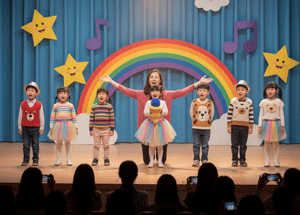
Teachers understand student personalities, individual needs, and group dynamics better than anyone else in the building. They bring essential insight into what will work best for stage performances, the overall flow of the ceremony, and student comfort.
Ways teacher involvement benefits the ceremony:
- Teachers know which songs and activities are age-appropriate
- They can suggest adjustments for students who need support on stage
- Their involvement ensures events are truly student-focused
- Encourages team collaboration and gives staff a sense of pride
Furthermore, bringing educators into the fold encourages stronger team collaboration and gives the staff a shared sense of ownership over the final event.
Understanding the Teacher’s Perspective
Before handing out assignments, it is crucial to recognize what educators are already managing. During the spring, teachers handle daily classroom responsibilities, complex end-of-year transitions, and frequent parent communication. Their time and energy are often stretched thin during graduation season.
Challenges teachers face during graduation season:
- Managing full classrooms and end-of-year wrap-up
- Handling increased parent communication
- Preparing students for transitions to new grades or schools
- Balancing extra duties for graduation events
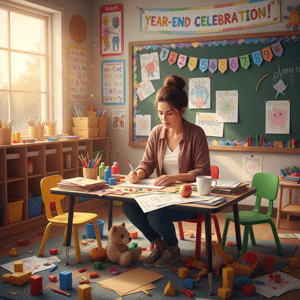
Successful collaboration requires respecting their workload and keeping your expectations realistic. Approach the process with empathy. You want to involve teachers in ways that feel supportive rather than burdensome. By acknowledging their hard work upfront, you build a foundation of trust that makes the entire planning phase much smoother.
Build a Simple, Collaborative Planning Team
One of the easiest ways to streamline the process is to form a small, dedicated planning group. This team should include the director or a lead administrator, a few lead teachers, and any relevant support staff. Keeping the team small makes decision-making faster and keeps the workload manageable for the broader staff.
Tips for building an effective planning team:
- Limit the main group to 4–6 people to avoid confusion
- Include representatives from teaching and administration
- Assign clear roles and responsibilities
- Set up shared digital documents for easy coordination
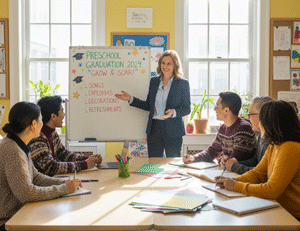
Establish clear communication channels right away. Use brief email updates and shared digital documents to keep everyone on the same page. Define roles early to avoid confusion. When everyone knows exactly what they are responsible for, tasks are completed much faster.
Gather Teacher Input Early
Ask for ideas at the very beginning of the planning process. Giving teachers a voice early on makes them feel valued. You can easily collect their input through quick digital surveys, short team discussions, or informal check-ins during the week.
Simple ways to collect teacher feedback:
- Distribute short digital surveys
- Hold quick brainstorming sessions during staff meetings
- Have informal check-ins throughout the week
- Encourage sharing of favorite activities and classroom traditions

Encourage your staff to share their favorite preschool graduation ideas for teachers from past years. Ask them about student-friendly activities or special classroom traditions that could be incorporated into the broader ceremony. Showing that you actively value their feedback—and actually incorporating their suggestions where possible—boosts staff morale significantly.
Brainstorm Graduation Ideas Together
Set aside a small block of time to collaborate on key elements of the event. Work together to map out the ceremony structure, select themes or décor, and plan the student performances.
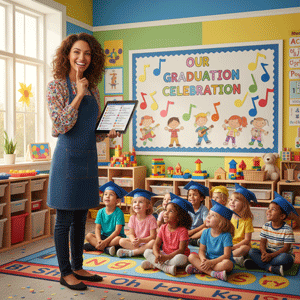
Effective brainstorming meetings:
- Focus on big decisions like structure, themes, and performances
- Keep sessions brief and to the point
- Write down ideas for easy follow-up
- Encourage creative, practical suggestions
Teachers are an incredible resource for age-appropriate songs, interactive activities, and creative ways to recognize each child individually. To respect their time, keep these brainstorming sessions short, focused, and solution-oriented. Capture all the best preschool graduation ideas in a shared plan or outline so the team can reference it later.
Schedule Efficient and Focused Planning Meetings
Long, unstructured meetings are a quick way to frustrate busy educators. Keep all graduation-related meetings brief and highly purposeful. Always set a clear agenda before the meeting begins. Outline exactly what decisions need to be made and what updates are required.
Ways to streamline your meetings:
- Always prepare and share a written agenda
- Limit the meeting to only essential team members
- Meet at convenient times (like regular staff meetings)
- Use email for simple updates instead of meetings
- Use a timer to stick to the set schedule

Schedule these discussions at convenient times, such as during regular staff meetings or dedicated planning periods. Avoid calling unnecessary meetings entirely. If a quick update can be sent via email, use that route instead. When you do meet, use printed or shared agendas to keep discussions strictly on track.
Delegate Tasks Based on Strengths
When it comes time to execute your plan, assign responsibilities that align naturally with each teacher’s strengths. Some educators excel at organizing the student lineup, while others might love coordinating musical performances or managing parent communication.
Examples of delegation based on strengths:
- Classroom management: arranging student lineups
- Music lovers: choosing and leading songs or performances
- Detail-oriented staff: managing invitations, programs, and checklists
- Communicators: handling updates with parents and families
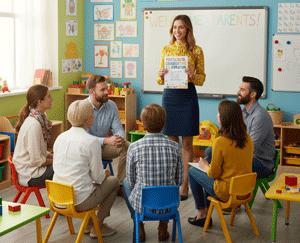
Break large tasks into smaller, manageable pieces to provide clear expectations and concrete deadlines. Give your staff simple kindergarten graduation ideas for teachers to implement so they do not have to reinvent the wheel. Use checklists or printed planning sheets to track progress. Above all, monitor the distribution of work to avoid overloading any one team member.
Involve Teachers in Student and Family Coordination
Teachers act as the primary bridge between the school administration and the families. Because parents already trust and communicate with them daily, teachers can seamlessly help relay graduation details to families.
Teacher roles in communication and coordination:
- Gather accurate student info (names, awards, participation)
- Support invitation and program distribution
- Relay ceremony details and reminders to families
- Address parent questions and concerns early
Educators can easily gather student information, including correct name pronunciations, award preferences, and participation status. They can also support the distribution of formal invitations, ceremony programs, and final event reminders. Utilizing teachers for this communication step ensures consistent messaging and prevents a flood of last-minute questions to the front office.
Keep Everyone Organized with Clear Materials
Organization is the secret to a stress-free event. Use structured tools to simplify the planning process and keep everyone aligned. Provide your staff with printed programs, detailed event timelines, accurate student name lists, cap and gown sizes, and clear ceremony scripts.
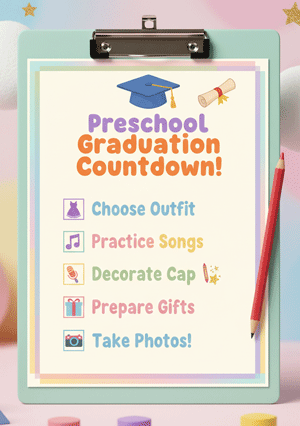
Key materials to prepare for teachers:
- Printed daily schedule or event timeline
- Student name lists (with correct pronunciation)
- Detailed scripts for ceremony speakers
- Checklists for major graduation tasks
These tangible materials offer massive benefits. A printed timeline reduces confusion, keeps the staff aligned on timing, and helps the actual event run smoothly from start to finish. When you supply your team with highly organized materials, teachers can focus all their attention on supporting the children instead of worrying about event logistics. This is particularly vital for a successful kindergarten graduation, where young students need constant guidance.
Recognize and Celebrate Teacher Contributions
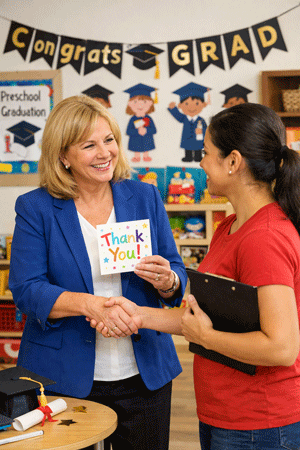
After the last diploma is handed out and the families head home, take time to acknowledge your teachers’ incredible efforts. Offer warm verbal recognition immediately following the event. Follow up with printed thank-you notes, or include a special section thanking the staff within the printed ceremony programs.
Ways to show your appreciation:
- Give verbal thanks at the end of the event
- Send handwritten or printed thank-you cards to staff
- Highlight their contributions in the graduation program
- Offer a small token or certificate of thanks
Celebrating their role in creating a successful ceremony builds a highly positive culture for future events. It encourages continued collaboration and engagement year after year. When teachers feel seen and appreciated, they will be much more eager to help plan the next big school celebration.
Creating a Smooth and Memorable Ceremony
Teacher involvement is the absolute key to creating a smooth, meaningful graduation experience for young students. Collaboration always works best when it is structured, highly respectful, and exceptionally well-organized. By maintaining clear communication and using thoughtful delegation, you can successfully prevent staff overwhelm. When your teachers feel supported and valued, the entire event benefits, leaving families with joyful memories that last a lifetime.
Ready to bring your kindergarten graduation ideas for teachers to life? Explore our extensive collection of high-quality programs, schedules, and printed materials to completely organize your graduation planning. Browse our customizable invitations, diplomas, and event accessories to elevate your school celebrations. Find simple, affordable solutions to create a smooth, well-coordinated graduation experience for your staff, students, and families today.