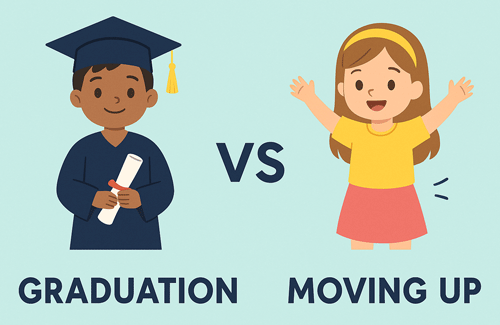
Graduation vs Moving Up Ceremony
Schools and child care centers frequently need to choose between hosting a formal graduation ceremony or a more relaxed “moving up” celebration. This decision often leaves parents and educators unsure of which option is the better fit for their specific group of students. A formal event might thrill some families, while a casual gathering could suit others perfectly.
This post breaks down the differences, benefits, and planning considerations for both styles of celebration. With the right printed materials and thoughtful planning, both options can feel meaningful, highly organized, and memorable for everyone involved.
What Is a Graduation Ceremony in Early Education?
A graduation ceremony is a formal event that marks the completion of a specific educational program. Most often, this applies to children who are graduating preschool or graduating kindergarten. It acts as a definitive capstone to their time in that specific age group or school.
Common age groups and grade levels for this type of event include:
- Pre-K programs
- Kindergarten
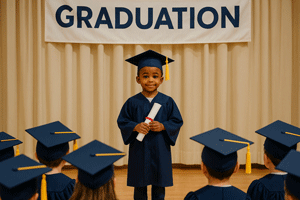
Typical elements of a formal kindergarten graduation include:
- Traditional caps and gowns
- Diplomas or official certificates
- A stage walk or individual name recognition
- Prepared songs, speeches, or student performances
The primary purpose of a formal graduation is to celebrate a major completion and academic achievement. Families often view this event as a “first graduation” experience, making it a highly anticipated and heavily photographed milestone.
What Is a Moving Up Ceremony?
A moving up ceremony is a celebration of transition from one educational level to the next. Unlike a formal graduation, it does not necessarily mark the definitive completion of a program. Instead, it highlights the child’s readiness to take the next step.
Common age and grade levels for a moving up ceremony include:
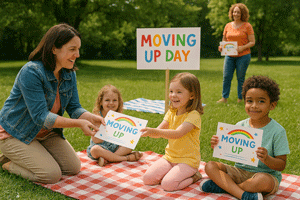
Key features of a moving up ceremony for preschool or kindergarten include:
- A more informal, relaxed structure
- A strong focus on personal growth and developmental progress
- Flexible formatting, often functioning as a classroom-based event or small group gathering
These events typically incorporate:
- Printed certificates of achievement
- Classroom celebrations with snacks and games
- Simple, brief recognition moments for each child
Key Differences Between Graduation and Moving Up Ceremonies
Understanding the core differences between these two events can help educators make the best choice for their school community.
- Formality
- A graduation ceremony relies on a structured, traditional format. Students usually sit together, follow a set schedule, and wear specific attire. A moving up ceremony remains relaxed and flexible, allowing children to move around more freely and interact with their parents.
- Purpose
- Graduation marks the definitive completion of an educational stage. Moving up focuses heavily on the transition to the next stage, emphasizing continuous growth over a finalized ending.
- Atmosphere
- Graduations carry a milestone-focused, ceremonial atmosphere. The mood is often highly sentimental. Moving up events offer a celebratory, low-pressure environment where the main goal is simply to have fun and acknowledge a good year.
- Family Expectations
- A formal graduation generally carries higher emotional significance for families. Parents often expect ample photo opportunities and a highly organized program. A moving up ceremony focuses more on participation, keeping family expectations light and casual.
Pros and Cons of Graduation Ceremonies
Choosing to host a full graduation comes with distinct benefits and challenges.
Advantages

- Offers a strong sense of achievement and formal recognition.
- Creates highly memorable, photo-worthy moments for parents and grandparents.
- Reinforces school tradition and emphasizes the importance of educational milestones.
- Strongly appeals to families who deeply value formal celebrations.
Considerations
- The formal structure can feel overwhelming or stressful for some young children.
- Requires significantly more planning, coordination, and budget for materials like caps and gowns.
- Families naturally hold higher expectations for the event’s execution and overall presentation.
Pros and Cons of Moving Up Ceremonies
A more casual approach also has unique strengths and potential drawbacks.
Advantages
- Creates a low-pressure environment for both young children and teaching staff.
- Offers a highly flexible format that is much easier to organize on a tight schedule.
- Feels highly inclusive for all students, regardless of their individual developmental pace.
- Encourages a celebration of continuous growth rather than a sudden completion.

Considerations
- May feel slightly less significant to families hoping for a major milestone event.
- Lacks the traditional, formal aesthetics that some parents look forward to.
- Results in fewer traditional “milestone” visuals, as children usually do not wear caps and gowns.
How to Plan a Meaningful Graduation Ceremony
If you decide a formal graduation is the right fit, organization is critical to ensuring a smooth, polished event.
Establish a Structured Program
Keep the event flowing by outlining a clear welcome address, a segment for individual student recognition, and a few brief performances. Short, rehearsed songs work exceptionally well for this age group.
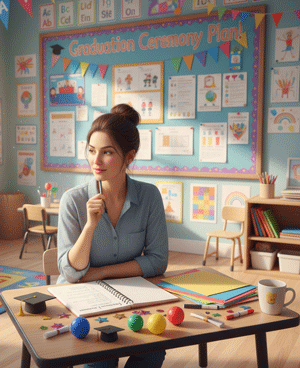
Incorporate Traditional Elements
Order properly sized caps and gowns for the students early in the year. Handing out official diplomas or rolled certificates adds to the ceremonial feel.
Enhance the Presentation
Use printed programs so parents can follow along. Send out physical invitations for families to build anticipation. Use coordinated signage and décor to make the venue feel special.
Create Photo Opportunities
Set up dedicated backdrops or a specific stage area. Clear staging ensures parents can capture the perfect photo of their child holding a diploma.
How to Plan an Engaging Moving Up Ceremony
For educators leaning toward a casual transition, here are some excellent preschool moving up ceremony ideas to keep the event lighthearted and fun.
Keep the Format Simple and Flexible
Avoid strict seating charts or long speeches. Let the children mingle with their families and classmates.
Incorporate Fun, Age-Appropriate Activities
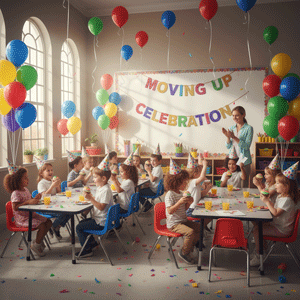
Lead the group in familiar classroom songs. Acknowledge the group as a whole rather than forcing every child to walk across a stage individually. Host the event in the classroom with favorite snacks and games.
Elevate the Event with Printed Materials
Even informal events benefit from professional touches. Hand out colorful certificates, provide simple printed programs, and send children home with small keepsakes.
Make It Community-Focused
Encourage family participation. Set up shared activities, crafts, or simple refreshments that allow parents and children to celebrate together in a relaxed setting.
Factors to Consider When Choosing the Right Option
Still unsure which path to take? Consider these five factors to make your final decision.
- Child Comfort Level: Some children thrive in highly structured settings and love the spotlight. Others do much better in relaxed, familiar environments. Consider the general temperament of your current class.
- Program Goals: Determine if your school wants to highlight a formal academic milestone or simply acknowledge a developmental transition. A kindergarten moving up ceremony might make more sense for a school that reserves formal graduations for older grades.
- Family Expectations: Survey your parent community. Some communities harbor a strong desire for tradition and formal photos, while others prefer simplicity and minimal fuss.
- School Culture and Resources: Assess your available space. A full graduation requires a stage, seating for extended family, and a sound system. A moving up ceremony can happen right in the classroom. Additionally, consider your staff’s capacity and your available budget for event materials.
- Event Size and Logistics: Count your students and estimate guest capacity. Large graduating classes often require the structure of a formal graduation to maintain order, whereas small groups can easily enjoy an intimate moving up celebration.
How Printed Materials Elevate Either Celebration
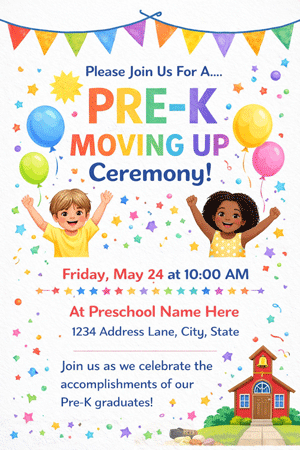
Whether you choose a formal graduation or a casual moving up ceremony, printed materials act as the glue that holds the event together.
For graduation ceremonies, high-quality diplomas, certificate holders, event programs, and formal invitations set a respectful, celebratory tone. They give parents tangible items to save in scrapbooks and memory boxes.
For moving up ceremonies, certificates of achievement, classroom handouts, and simple printed keepsakes add a touch of structure. They elevate the event from a standard classroom party to a recognized milestone.
Choosing the Best Path for Your Students
Both graduation and moving up ceremonies offer exceptionally meaningful ways to celebrate early childhood milestones. The right choice ultimately depends on your specific students, the expectations of your families, and your broader program goals. Graduation provides a formal, highly photogenic milestone moment. Moving up ceremonies offer a flexible, low-pressure alternative focused on community and growth. With thoughtful planning, clear communication, and beautiful presentation, either option will create a memorable and joyous experience for the children you serve.