Building Traditions in Early Childhood Education
The moments children remember most aren’t always the daily lessons or the structured playtimes. The experiences that truly stick with them are the special traditions that made them feel like a valued part of their classroom community.
Consistency, excitement, and connection form the bedrock of a thriving learning environment. As educators guide young learners through their formative years, creating reliable and anticipated events provides a necessary anchor for everyone involved. Traditions give children something to look forward to while supporting deep emotional development. They strengthen relationships between peers and adults, ultimately building an authentic sense of belonging.
Throughout this guide, we will explore how to build, maintain, and evolve meaningful traditions across various learning environments, including your early childhood education kindergarten programs.
Thoughtful materials can help make these classroom events feel highly intentional, such as:
- Printed programs
- Graduation certificates
- Tangible keepsakes
By prioritizing these elements, you can ensure that your classroom celebrations become cherished memories for years to come.
What Are Traditions in Early Childhood Education?
Traditions are repeated activities or celebrations that gain deep meaning over time. It’s helpful to understand the difference between daily routines and classroom traditions:
- Routines provide the daily structure that keeps a classroom functioning smoothly, such as morning circle time or afternoon cleanup.
- Traditions are special, anticipated experiences that stand out from the normal schedule.
Some common examples of traditions in preschool early childhood education include:
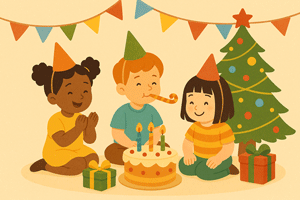
- Graduation ceremonies
- Holiday celebrations
- End-of-year events
- Special classroom recognition moments (like a birthday song)
These traditions give children a joyful event to look forward to and remember fondly long after they leave your program.
How Routines Help Build Lasting Traditions
Strong routines actually make meaningful traditions possible. Routines create a foundation of stability and predictability for young children. When children know what to expect daily, they feel secure and ready to engage.
Over time, you can easily evolve these repeated routines into highly anticipated traditions. For example:
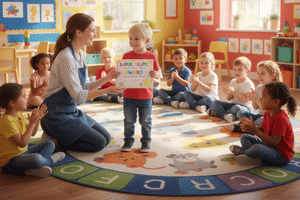
- A weekly recognition routine for good behavior can transform into a formal end-of-year awards ceremony.
- Simple daily activities can gradually turn into larger milestone celebrations.
Consistency helps children feel safe, and that safety allows them to fully participate in the larger, more exciting traditions you introduce.
Strengthening Classroom and School Community
Shared traditions create a powerful sense of belonging and encourage vital connections between students, teachers, and families.
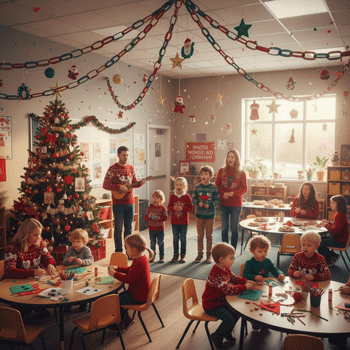
Benefits of group celebrations:
- Build cooperation and trust among children
- Foster a positive classroom culture
- Strengthen relationships with families
Events like moving-up ceremonies and holiday gatherings also bring families directly into the school experience. When parents and caregivers participate in early childhood education preschool traditions, they feel more connected to educators and the program as a whole—supporting the child’s overall growth and happiness.
Celebrating Cultural Diversity Through Traditions
A vibrant classroom should incorporate traditions that reflect the diverse backgrounds and experiences of its students. Introducing children to a wide variety of cultural celebrations promotes deep inclusivity and builds respect and understanding for people from all walks of life.
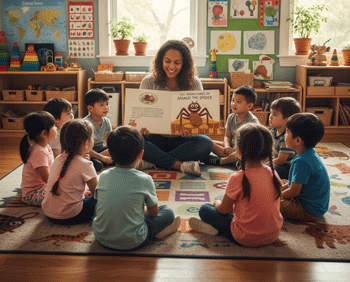
Ways to encourage cultural diversity in traditions:
- Invite families to share specific traditions from their homes
- Have parents visit to read a culturally significant story or share a traditional craft
- Celebrate holidays from different cultures represented in the classroom
This inclusive approach validates each child’s identity while teaching peers about the broader world.
How to Create Meaningful Traditions in Your Program
You do not need an enormous budget to start building traditions. Start small and focus on consistency and repetition. Remember:
- Complex events often become stressful
- Simple, well-executed traditions naturally grow in importance over time
Tips for creating new traditions:
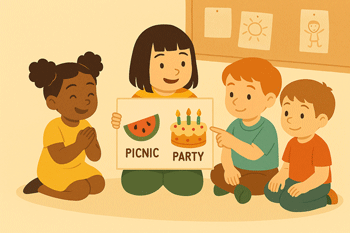
- Involve the children in the creation process (let them help name the events or choose themes)
- Align traditions with your school’s core values and developmental goals
- Use simple tools to formalize traditions, such as printed certificates, custom programs, or small keepsakes
These steps make even the most modest event feel official and special.
Examples of Effective Early Childhood Traditions
There are countless ways to introduce traditions into your educational program. Here are a few highly effective examples:
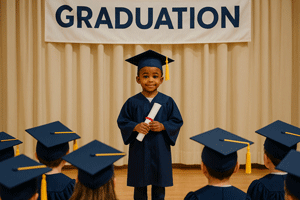
- Graduation Ceremonies: Celebrate the move from preschool to kindergarten with formal caps and gowns, customized diplomas, and a structured ceremony that honors each child’s hard work.
- Recognition Events: Host monthly student awards or milestone celebrations to recognize positive behavior and academic achievements.
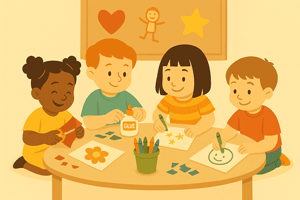
- Classroom Traditions: Designate specific days for unique activities, such as end-of-week celebrations, special craft days, or regular show-and-tell sessions.
- Family-Focused Traditions: Host regular open houses or showcase events where children present their artwork and projects. These gatherings create consistency and lasting memories for the whole family.
Overcoming Challenges When Building Traditions
Educators frequently face challenges when trying to establish new traditions, such as limited time and tight budgets, or balancing inclusivity with consistency.
Strategies for overcoming challenges:
- Keep traditions simple and scalable
- Focus on what matters most to students and families
- Use reusable materials and pre-made templates for printed items to save time
- Prioritize sustainability over perfection
This way, you can realistically maintain the tradition year after year.
Evaluating and Evolving Your Traditions
Traditions should not remain completely static. Gather regular feedback from teachers, families, and students to understand what is working.
Ways to evaluate and evolve traditions:
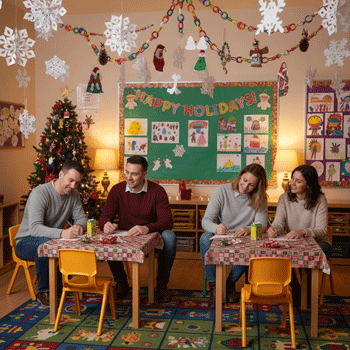
- Ask parents for their thoughts after a major event
- Observe children to see which activities spark the most joy
- Identify areas that can improve and make adjustments as needed
Keep the most successful elements consistent, while modifying other aspects to keep events fresh and engaging.
The Long-Term Impact of Traditions
The traditions you establish today will create lasting emotional connections to your school. They help children associate learning with positive, joyful experiences and strengthen foundational relationships between families and educators.
By building a strong, recognizable school culture, you contribute to:
- Long-term engagement
- Robust community loyalty
- Increased confidence in children as they move forward educationally
Shaping the Future with Meaningful Classroom Moments
Traditions play a fundamentally powerful role in shaping early childhood experiences. From small classroom rituals to major graduation milestones, these special events build connection, trust, and a deep sense of belonging.
Key elements to focus on for sustainable, meaningful traditions:
- Consistency
- Inclusivity
- Thoughtful planning
With the right approach, these events will become the moments your children and families remember most fondly.
Explore beautiful certificates, customized programs, and high-quality printed materials to support your upcoming classroom traditions. Browse our extensive selection of recognition tools and celebration materials specifically designed for early childhood milestones. Discover simple, affordable ways to create meaningful, lasting traditions in your educational program today.